Product Information:
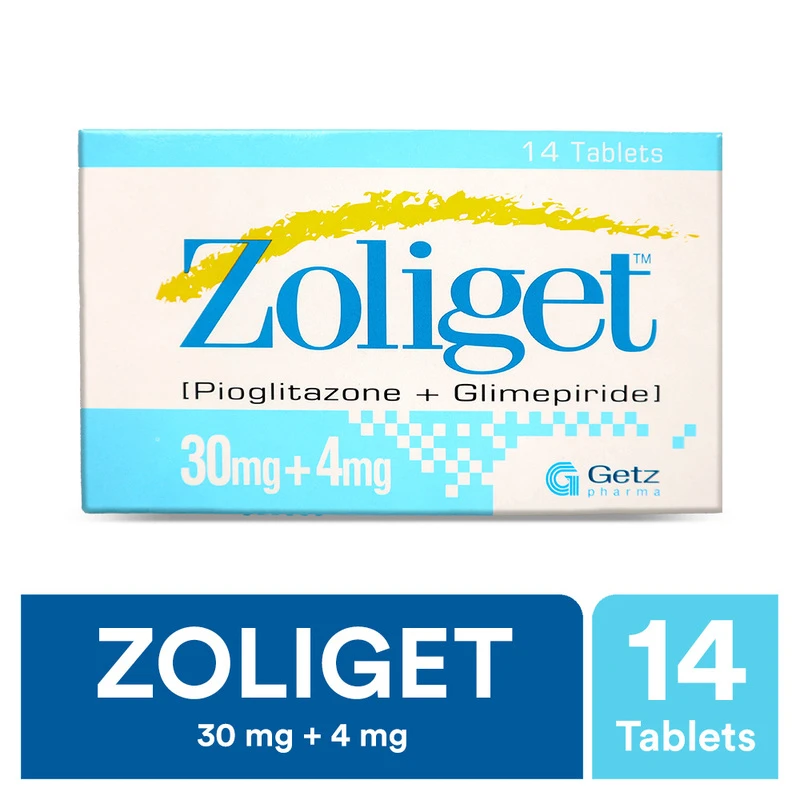
ZOLIGET 30mg/4mg Tablets is a fixed-dose combination of two oral antidiabetic agents:
- Pioglitazone Hydrochloride 30mg – a thiazolidinedione (TZD) that enhances insulin sensitivity in muscle, fat, and liver by activating PPAR-γ receptors
- Glimepiride 4mg – a second-generation sulfonylurea that stimulates insulin secretion from pancreatic beta cells
This higher-strength dual therapy is intended for adults with type 2 diabetes mellitus who require more intensive glycemic control due to inadequate response to lower doses of either component.
Uses of (ZOLIGET 30MG/4MG TABLETS):
- Management of type 2 diabetes mellitus in adults
- Patients uncontrolled on pioglitazone 30mg + glimepiride 2mg or other dual therapies
- Those needing stronger insulin secretion and sensitization in a single tablet
Key Benefits of (ZOLIGET 30MG/4MG TABLETS):
- Dual mechanism targets both insulin resistance and deficient insulin secretion
- Glimepiride 4mg provides robust postprandial glucose control
- Pioglitazone 30mg improves fasting glucose and long-term insulin sensitivity
- Once-daily dosing reduces pill burden and supports adherence
How To Use (ZOLIGET 30MG/4MG TABLETS):
- Take once daily with breakfast or the first main meal to reduce hypoglycemia risk.
- Swallow whole with water—do not crush or chew.
- Do not skip meals while on this medication.
- Continue diet, exercise, and regular blood glucose monitoring.
When Not to Use (ZOLIGET 30MG/4MG TABLETS):
Do not use if you have:
- Type 1 diabetes or diabetic ketoacidosis
- Severe hepatic or renal impairment
- History of bladder cancer (pioglitazone increases risk)
- Heart failure (NYHA Class III or IV)
- Hypersensitivity to pioglitazone, glimepiride, or other sulfonylureas
⚠️ Important: The 4mg glimepiride dose carries a higher risk of hypoglycemia, especially in elderly or malnourished patients.
Side Effects of (ZOLIGET 30MG/4MG TABLETS):
Common:
- Hypoglycemia (sweating, dizziness, tremor, confusion, palpitations)—more likely than with 2mg glimepiride
- Weight gain (from both components)
- Peripheral edema (ankle/leg swelling)
- Headache, nausea
Less common:
- Bone fractures (pioglitazone—especially in postmenopausal women)
- Photosensitivity (glimepiride)
- Mild anemia or elevated liver enzymes
Serious (rare but require immediate attention):
- Severe hypoglycemia (loss of consciousness, seizures)—requires emergency glucose
- Worsening heart failure (shortness of breath, rapid weight gain, fatigue)
- Bladder cancer (hematuria, urinary urgency, pelvic pain)—risk increases with pioglitazone duration >1 year
- Hepatotoxicity (jaundice, dark urine, abdominal pain)
- Seek emergency care if severe hypoglycemia, heart failure symptoms, or blood in urine occur.
Dosage: (ZOLIGET 30MG/4MG TABLETS):
- Adults: 1 tablet once daily with breakfast
- Maximum daily dose: Pioglitazone 45mg + Glimepiride 8mg
- Elderly or hepatic/renal impairment: Avoid or use with extreme caution—higher hypoglycemia risk
Who It’s For (ZOLIGET 30MG/4MG TABLETS):
Adults with moderately uncontrolled type 2 diabetes who have failed lower-dose combinations and can adhere to regular meals and glucose monitoring, with no contraindications to TZDs or sulfonylureas.
Warnings & Precautions:
- Monitor blood glucose frequently, especially during initiation
- Avoid alcohol—increases hypoglycemia risk and masks symptoms
- Assess for heart failure signs and bladder cancer symptoms regularly
- Use extra caution in elderly, underweight, or renally impaired patients
- Educate patients on hypoglycemia recognition and emergency management
Drug Interactions:
- Beta-blockers: May mask tachycardia during hypoglycemia
- NSAIDs, salicylates, sulfonamides: ↑ Risk of hypoglycemia
- Rifampin: ↓ Glimepiride efficacy—monitor glucose closely
- Gemfibrozil: ↑ Pioglitazone levels—avoid combination
- Always inform your doctor about all medications and supplements.
Additional Information:
Store below 30°C in a dry place, protected from light and moisture. Keep out of reach of children. Do not use after the expiration date. Available by prescription in Pakistan.