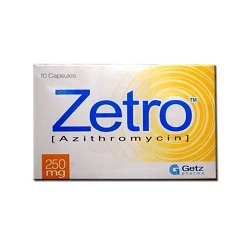
Product Information:
ZETRO 250mg Capsules contain Cefpodoxime Proxetil 250mg, a third-generation oral cephalosporin antibiotic. It works by inhibiting bacterial cell wall synthesis, resulting in bactericidal activity against a wide range of Gram-positive and Gram-negative pathogens. Cefpodoxime is effective against common community-acquired organisms including Streptococcus pneumoniae, Haemophilus influenzae, Moraxella catarrhalis, Escherichia coli, and Klebsiella pneumoniae.
The capsule formulation offers an alternative to tablets for patients who prefer or better tolerate gelatin-based dosage forms.
Uses of (ZETRO 250MG CAPSULES):
- Acute bacterial bronchitis and exacerbations of chronic bronchitis
- Pharyngitis and tonsillitis caused by Streptococcus pyogenes
- Acute sinusitis
- Uncomplicated urinary tract infections (UTIs)
- Community-acquired pneumonia (mild to moderate)
- Uncomplicated skin and soft tissue infections
- Uncomplicated gonorrhea (single-dose therapy)
Key Benefits of (ZETRO 250MG CAPSULES):
- Broad-spectrum coverage for common outpatient infections
- Twice-daily dosing with reliable absorption
- Capsule form may be easier to swallow for some patients
- Generally well-tolerated with low risk of serious adverse effects
How To Use (ZETRO 250MG CAPSULES):
- Take with food to enhance absorption (bioavailability increases by ~50%).
- Swallow whole with water—do not open, crush, or chew the capsule.
- Complete the full prescribed course, even if symptoms improve early.
- Typical adult dosage:
- Respiratory, urinary, or skin infections: 250mg every 12 hours for 5–10 days
- Gonorrhea: Single 200mg dose (250mg may be used per local guidelines)
When Not to Use (ZETRO 250MG CAPSULES):
Do not use if you have:
- Hypersensitivity to cefpodoxime, other cephalosporins, or penicillins (cross-reactivity possible)
- History of anaphylaxis to beta-lactam antibiotics
- Severe renal impairment (CrCl <30 mL/min)—requires dose adjustment
⚠️ Note: Ineffective against viral infections (e.g., common cold, influenza).
Side Effects of (ZETRO 250MG CAPSULES):
Common:
- Diarrhea, nausea, abdominal discomfort
- Headache, dizziness
- Rash, vaginal yeast infection
Less common:
- Elevated liver enzymes
- Eosinophilia, transient leukopenia
Serious (rare):
- Clostridioides difficile-associated diarrhea (CDAD)—persistent watery diarrhea with fever/cramps
- Anaphylaxis or severe skin reactions (e.g., Stevens-Johnson syndrome)
- Seizures (in overdose or severe renal impairment)
- Discontinue and seek emergency care if breathing difficulty, widespread rash, or bloody stools occur.
Dosage Adjustments:
- Renal impairment (CrCl 30–50 mL/min): Reduce to 250mg once daily
- CrCl <30 mL/min: Avoid or use only under specialist supervision
- Elderly: Adjust based on renal function
- Children: Prefer oral suspension; capsules not recommended for young children
Who It’s For (ZETRO 250MG CAPSULES):
Adults and adolescents with moderate bacterial infections who prefer or require a capsule formulation for ease of swallowing, particularly for respiratory, urinary, or sexually transmitted infections.
Warnings & Precautions:
- Use only for confirmed or suspected bacterial infections
- Prolonged use may lead to fungal overgrowth or antimicrobial resistance
- Monitor for CDAD if diarrhea develops during or after treatment
- Cross-reactivity with penicillins occurs in ~5–10% of allergic individuals
Drug Interactions:
- Antacids, H2 blockers, or proton pump inhibitors: May reduce absorption—administer 2 hours apart
- Probenecid: May increase cefpodoxime levels
- Oral contraceptives: Antibiotics may reduce efficacy—use backup contraception
- Anticoagulants: Theoretical risk of increased bleeding—monitor INR
- Always inform your doctor about all medications.
Additional Information:
Store below 30°C in a dry place, protected from light and moisture. Keep out of reach of children. Do not use after the expiration date. Available by prescription in Pakistan.