Product Information:
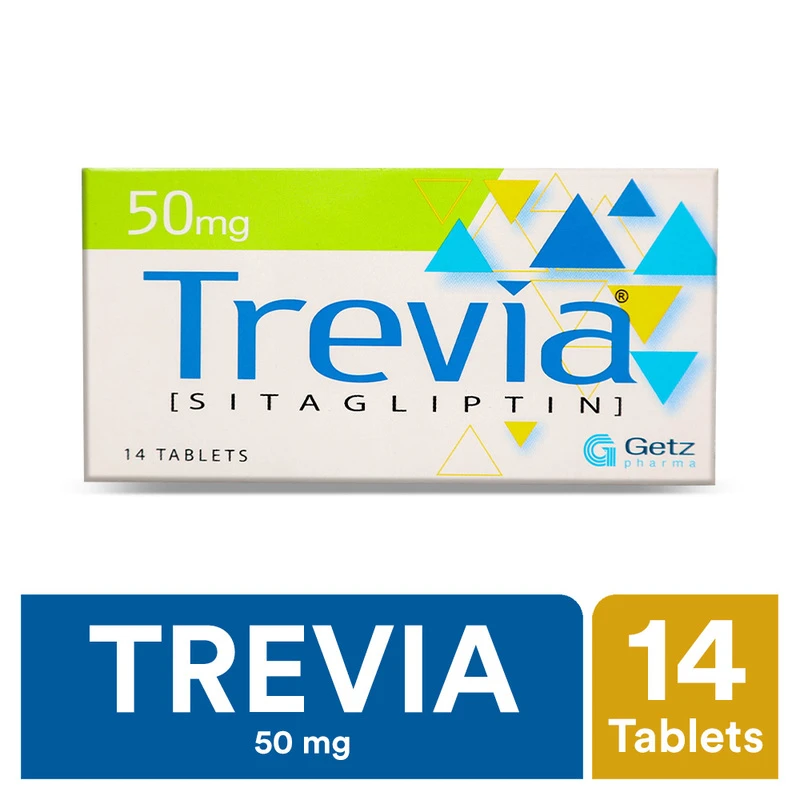
TREVIA 50mg Tablets contain Tramadol Hydrochloride 50mg, a centrally acting synthetic opioid analgesic that relieves pain through dual mechanisms:
- Weak mu-opioid receptor agonism
- Inhibition of serotonin and norepinephrine reuptake
This lower-strength formulation is commonly used as a starting dose for moderate acute or chronic pain, offering effective relief with improved tolerability—especially in opioid-naïve, elderly, or sensitive patients.
⚠️ Important Safety Note:
Tramadol is a Schedule H1 controlled substance in Pakistan due to risks of dependence, abuse, seizures, and serotonin syndrome. Use only as prescribed and for the shortest duration necessary.
Uses of (TREVIA 50MG TABLETS):
- Relief of moderate acute pain (e.g., dental procedures, minor surgery, musculoskeletal injury)
- Management of chronic non-cancer pain (e.g., osteoarthritis, low back pain, neuropathic pain)
- Step-down therapy from higher tramadol doses or stronger opioids
Key Benefits of (TREVIA 50MG TABLETS):
- Lower incidence of side effects compared to 100mg strength
- Suitable for initial therapy in opioid-naïve patients
- Effective for mild-to-moderate pain with reduced sedation
- Flexible dosing for titration based on pain severity
How To Use (TREVIA 50MG TABLETS):
- Take every 4–6 hours as needed for pain, with or without food.
- Swallow whole with water—do not crush or chew.
- Typical adult dose: 50–100mg every 4–6 hours
- Maximum daily dose:
- Normal liver/kidney function: 400mg/day (8 tablets of 50mg)
- Elderly or hepatic/renal impairment: 300mg/day (6 tablets)
- Start with 50mg in sensitive or elderly patients.
When Not to Use (TREVIA 50MG TABLETS):
Do not use if you have:
- Hypersensitivity to tramadol or opioids
- Acute intoxication with alcohol, benzodiazepines, or other CNS depressants
- Uncontrolled epilepsy or history of seizures
- Concurrent use of MAO inhibitors (or within 14 days)
- Severe respiratory depression or acute asthma exacerbation
🚫 Not recommended for children <12 years; avoid in adolescents <18 with obesity, obstructive sleep apnea, or respiratory compromise.
Side Effects of (TREVIA 50MG TABLETS):
Common:
- Nausea, dizziness, headache
- Constipation, dry mouth
- Drowsiness, sweating
Less common:
- Vomiting, fatigue, itching
- Mood changes, insomnia
Serious (rare but require attention):
- Seizures (risk increases with high doses, epilepsy, or drug interactions)
- Serotonin syndrome (agitation, confusion, rapid heart rate)—especially with SSRIs/SNRIs
- Respiratory depression (more likely with overdose or combined CNS depressants)
- Withdrawal symptoms (anxiety, tremors, insomnia) if stopped abruptly after long-term use
- Seek emergency help if high fever, muscle rigidity, hallucinations, or slow breathing occur.
Dosage: (TREVIA 50MG TABLETS):
- Adults (opioid-naïve): Start with 50mg every 4–6 hours
- Elderly or impaired: 50mg every 6–8 hours; max 300mg/day
- Maximum single dose: 100mg (2 tablets)
- Do not exceed 8 tablets (400mg) in 24 hours
Who It’s For (TREVIA 50MG TABLETS):
- Adults with moderate pain requiring opioid-level relief
- Elderly or frail patients needing lower starting doses
- Those stepping down from higher tramadol strengths
Warnings & Precautions:
- Avoid alcohol, benzodiazepines, or sedatives—↑ risk of respiratory depression
- Use caution in patients with seizure disorders, head injury, or substance use history
- Taper gradually after prolonged use to avoid withdrawal
- Monitor for signs of misuse or dependence
Drug Interactions:
- SSRIs, SNRIs, MAOIs, triptans: ↑ Risk of serotonin syndrome
- CNS depressants: ↑ Sedation and breathing suppression
- Carbamazepine: May reduce tramadol effectiveness
- Quinidine: May increase tramadol levels
- Always inform your doctor about all medications.
Additional Information:
Store below 30°C in a dry place, protected from light and moisture. Keep securely locked away from children and unauthorized individuals. Do not use after the expiration date. Available by prescription only in Pakistan (Schedule H1).