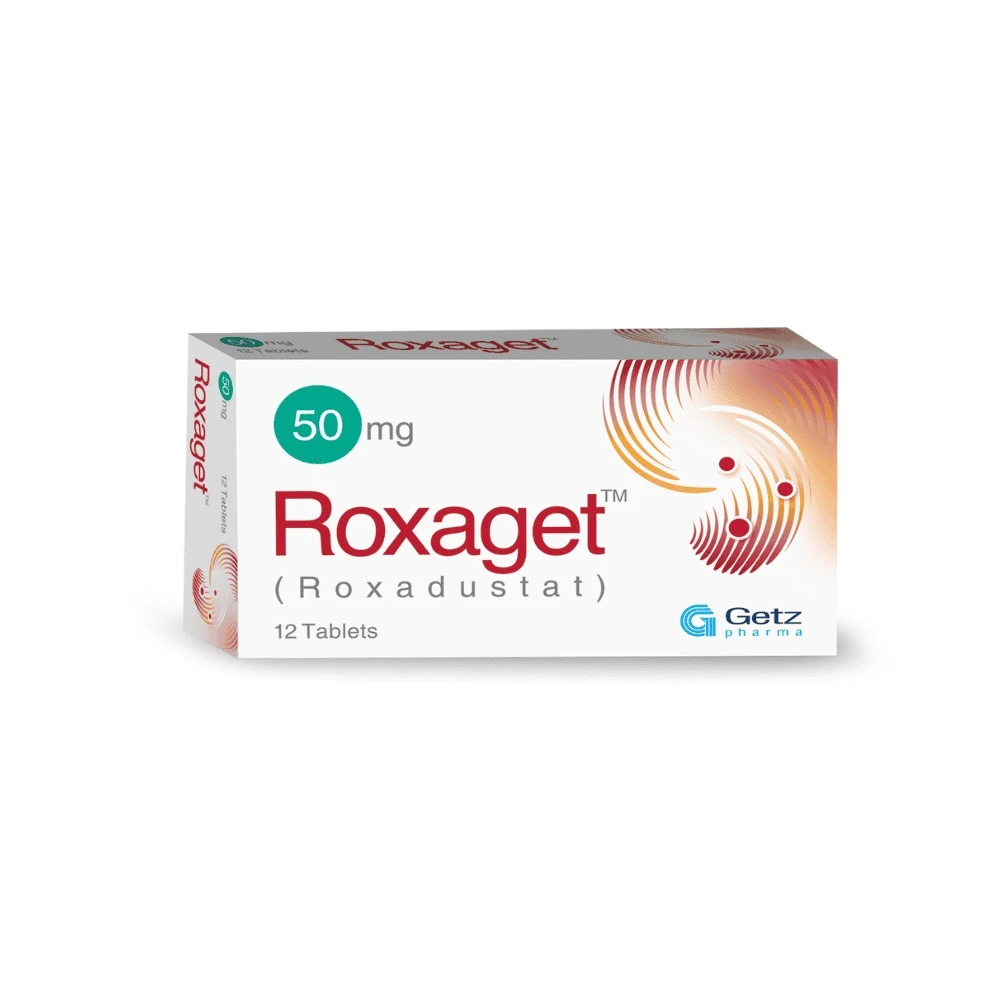
Product Information:
ROXAGET 50mg Tablets contain Roxithromycin 50mg, a semi-synthetic macrolide antibiotic effective against a range of Gram-positive bacteria and atypical pathogens such as Mycoplasma pneumoniae, Chlamydia trachomatis, and Legionella pneumophila. It works by inhibiting bacterial protein synthesis, thereby stopping bacterial growth.
This intermediate-strength formulation is commonly used for pediatric dosing and adults requiring lower or titrated doses, especially in regions like Pakistan where flexible dosing is needed based on weight and infection severity.
Uses of (ROXAGET 50MG TABLETS):
- Respiratory tract infections: Tonsillitis, pharyngitis, sinusitis, bronchitis, community-acquired pneumonia
- Skin and soft tissue infections: Impetigo, folliculitis, mild cellulitis
- Genitourinary infections: Non-gonococcal urethritis (due to Chlamydia)
- Otitis media and dental infections in penicillin-allergic patients
Key Benefits of (ROXAGET 50MG TABLETS):
- Effective against atypical bacteria not covered by penicillins
- Better gastrointestinal tolerance than erythromycin
- Longer half-life allows once- or twice-daily dosing
- Suitable alternative for patients with penicillin allergy
How To Use (ROXAGET 50MG TABLETS):
- Take on an empty stomach (at least 15 minutes before or 2 hours after meals) for optimal absorption.
- Swallow whole with water—may be split or crushed for children if directed by a physician.
- Dosage guidelines:
- Adults: Typically 150–300mg/day → may use 3–6 tablets of 50mg daily in divided doses
- Children: 4–8 mg/kg/day in 1–2 divided doses
- Example: A 20kg child = 80–160mg/day → 2–3 tablets of 50mg daily
- Complete the full course even if symptoms improve early.
When Not to Use (ROXAGET 50MG TABLETS):
Do not use if you have:
- Hypersensitivity to roxithromycin, erythromycin, or other macrolides
- History of QT interval prolongation or cardiac arrhythmias
- Concurrent use of ergot alkaloids (e.g., ergotamine) or cisapride
- Severe hepatic impairment
Side Effects of (ROXAGET 50MG TABLETS):
Common: Nausea, abdominal pain, diarrhea, vomiting, loss of appetite.
Less common: Headache, dizziness, skin rash, elevated liver enzymes.
Serious (rare):
- QT prolongation → risk of torsades de pointes (especially with high doses or underlying heart disease)
- Hepatotoxicity: Jaundice, dark urine, right upper quadrant pain
- Clostridioides difficile-associated diarrhea
- Allergic reactions: Rash, angioedema
- Discontinue and seek medical help if severe diarrhea, jaundice, or irregular heartbeat occurs.
Dosage: (ROXAGET 50MG TABLETS):
- Adults: 150–300mg/day in 1–2 divided doses (e.g., 2–3 tablets twice daily)
- Children (≥6 months): 4–8 mg/kg/day in 1–2 doses
- Duration: 5–10 days, depending on infection type and response
Who It’s For (ROXAGET 50MG TABLETS):
- Children requiring weight-based antibiotic therapy
- Adults needing flexible dosing (e.g., elderly, low body weight)
- Penicillin-allergic patients with mild to moderate bacterial infections
Warnings & Precautions:
- Avoid in patients with known prolonged QT interval
- Use cautiously in liver disease—monitor for signs of hepatitis
- Do not use for viral infections (e.g., cold, flu)
- Ensure accurate dosing to avoid treatment failure or toxicity
Drug Interactions:
- Cisapride, pimozide, quinidine: ↑ Risk of life-threatening arrhythmias—avoid
- Ergot alkaloids: Risk of vasospasm and ischemia
- Warfarin: May increase anticoagulant effect—monitor INR
- Theophylline, carbamazepine: Roxithromycin may increase their blood levels
- Always inform your doctor about all medications and supplements.
Additional Information:
Store below 30°C in a dry place, protected from light and moisture. Keep out of reach of children. Do not use after the expiration date. Available by prescription in Pakistan.